You do not ask how safe is Greece and island Crete because you expect the worst. You ask because you want a straightforward holiday - land at Heraklion or Chania, collect your car, get to your hotel, and enjoy the island without second-guessing every step. That is the right question to ask, and the honest answer is this: Greece is generally safe for visitors, and Crete is one of the safer, easier parts of the country to travel, provided you use normal care and take the roads seriously.
How safe is Greece and island Crete for tourists?

For most British travellers, the main risks in Greece are not violent crime or serious public disorder. They are the ordinary holiday problems that catch people off guard - petty theft in busy areas, dehydration in extreme heat, slippery paths, rough sea conditions on windy days, and poor decisions on unfamiliar roads.
Crete follows that pattern. It is a working island, not a theme park, and that is part of its appeal. People live here, drive here, farm here, and run their businesses here all year round. Visitors are welcome, and in the main tourist areas you will find locals helpful, direct, and used to dealing with international guests. That said, “safe” does not mean risk-free. It means the risks are usually visible, manageable, and far easier to reduce when you know what matters.
How Safe Is Greece and Island Crete? Crime in Crete: low concern, but stay switched on

Violent crime affecting tourists is uncommon. Most visitors spend their entire stay without any security issue at all. In towns such as Heraklion, Chania, Rethymno, Agios Nikolaos, and around the beach resorts, the more realistic concern is opportunistic theft.
That usually means a mobile phone left on a café table, a handbag hanging off the back of a chair, or luggage visible in a parked car. The rule is simple - do not make yourself an easy target. Keep valuables close, avoid leaving passports or cash unattended on the beach, and if you are driving, never leave bags, electronics, or shopping on display.
At night, the usual holiday common sense applies. Busy restaurant streets and promenades are generally comfortable places to walk, but heavy drinking changes the equation anywhere. If your evening plans involve bars and late hours, use the same judgement you would use at home.
How Safe Is Greece and Island Crete? Road safety is the part most travellers underestimate

If there is one area where visitors should be more careful, it is driving. Crete is ideal for independent travel, but the roads demand attention. Distances on the map can look small, yet journey times are often longer than expected because of mountain bends, mixed road quality, local driving habits, and summer traffic around larger towns.

The national road linking major north-coast areas is usually manageable, but it is not a motorway in the British sense. Lanes can narrow, exits can appear quickly, and some drivers move faster than tourists expect. In villages and inland routes, roads may be steep, narrow, or poorly lit after dark.
This is where visitors get into trouble - not because Crete is dangerous by nature, but because they relax too early. They drive after a long flight, rush to make a dinner reservation, or assume a beach road will be as easy as a town street. It may not be.
How Safe Is Greece and Island Crete? Practical driving advice that genuinely matters
Take delivery of your car calmly and check what is covered before you leave. Clear insurance matters more in Crete than a low headline price. A cheap booking means very little if you are worried about tyre damage, glass, underside issues, or a surprise excess on rougher island roads.
Drive defensively, especially on your first day. Let faster locals pass, keep your speed steady, and avoid unnecessary night driving in unfamiliar rural areas. If you are heading south or into the mountains, give yourself more time than the sat-nav suggests. On Crete, a relaxed driver is usually a safer driver.
Parking also needs a bit of thought. Use marked spaces where possible, avoid blocking narrow lanes, and do not leave the car in isolated spots with valuables inside. Most problems are easy to avoid when you keep things simple.
How Safe Is Greece and Island Crete? Beaches and swimming: safe when you respect the conditions
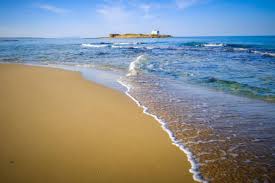
Crete has beautiful beaches, but beauty can fool people into dropping their guard. The sea is not a hotel pool. Wind can change conditions quickly, and some beaches have stronger currents or sudden depth changes than they first appear to have.
If a beach has warning flags, pay attention to them. If locals are not swimming, ask why. Families with children should be especially cautious on windy days, even at popular beaches. Inflatable toys can drift faster than people expect, and rocky entries can be slippery.
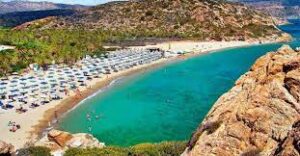
Sun exposure is another common problem. Heat exhaustion and dehydration are far more likely than serious crime for many summer visitors. Carry water in the car, use shade in the middle of the day, and do not underestimate how draining a beach morning followed by a long drive can be.
How Safe Is Greece and Island Crete? Health, medical care and practical support
For ordinary travel concerns, Crete is well set up. Larger towns have pharmacies, clinics, and access to medical care, and in the main tourist zones you can usually find help quickly if you need it. Still, a smooth holiday depends on handling the basics properly.
Bring any regular medication with you, keep travel insurance details handy, and do not leave medical planning until something goes wrong. If you are travelling with children, it is worth packing the practical items you know you may need, because searching for them in an unfamiliar resort is an avoidable headache.
For older travellers or anyone with mobility concerns, the bigger issue is often terrain rather than healthcare. Cobbled streets, uneven pavements, hillside accommodation, and beach access can be tiring. Check locations realistically rather than assuming every resort area is easy on foot.
Is Crete safe for families, couples and solo travellers?
In broad terms, yes. Families usually find Crete straightforward because the island is used to holiday logistics - airport arrivals, hotel stays, day trips, beach days, and self-drive touring. Couples tend to find it relaxed and easy to move around, especially outside the busiest peak weeks.
Solo travellers can also feel comfortable here, particularly in established resort areas and larger towns. The same rule applies as anywhere else - stay aware of your surroundings, avoid isolated areas late at night if they do not feel right, and keep your plans sensible if you are travelling alone by car.
For women travelling alone, Crete is generally considered manageable and welcoming, though that does not remove the need for ordinary caution with nightlife, lifts from strangers, or remote locations after dark.
Weather and natural conditions are part of the safety picture

People often focus on crime and ignore the obvious physical risks around them. In Crete, weather plays a bigger role than many first-time visitors expect. Summer heat can be intense, and winter weather, while milder than Britain, can still bring rain, strong winds, and difficult driving conditions in some areas.
If you plan to hike gorges or remote trails, prepare properly. Good footwear, enough water, a charged mobile phone, and realistic timing matter. Setting off late in the day or wearing beach sandals is not adventurous - it is how minor problems become real ones.
Wildfire risk can also affect travel in hotter months. That does not mean tourists should panic, but it does mean following local advice, avoiding careless behaviour, and checking conditions if you are heading into rural areas.
The real answer: safe enough to enjoy, if you travel sensibly

So, how safe is Greece and island Crete in practical terms? Safe enough that millions of visitors come, drive, swim, eat out, and explore without trouble. Safe enough for families, road trips, and last-minute beach plans. But not so safe that you can switch your brain off.
The difference between a smooth trip and a stressful one usually comes down to a few sensible choices - look after your valuables, respect the roads, take heat and sea conditions seriously, and book services that are clear about what is included. On an island where flexibility matters, certainty matters too. If your transport, insurance, and pickup arrangements are simple from the start, you remove a lot of avoidable risk before your holiday has properly begun.
Crete rewards travellers who keep things straightforward. Arrive prepared, move at the island’s pace, and you will likely find that safety is not the thing you remember most - it is the freedom to enjoy the place properly.