
You do not want to learn the parking rules Greece uses by finding your hire car missing from a Chania side street or a fine tucked under the wiper in Heraklion. In Greece, parking rules are straightforward once you know the signs, kerb markings and a few local habits, but they are not always obvious to visitors arriving for a relaxed holiday on Crete.
If you are collecting a car at the airport or port, this matters from day one. Greek towns can be tight, busy and inconsistent from one street to the next. A legal-looking space can still be restricted by a sign further up the road, a painted kerb, market-day rules or a local police control. The good news is that most problems are easy to avoid if you know what to look for.
Parking rules Greece visitors get wrong most often

The biggest mistake is assuming an unmarked roadside space is automatically fine. It often is, but not always. You need to check the nearest sign, the kerb colour and whether your car is blocking traffic, pedestrian access or driveways. In older town centres, especially around ports and commercial streets, enforcement can be stricter than visitors expect.
A second common mistake is treating double parking as a quick stop. Locally, you may see people stopping in awkward places for a few minutes, but that does not make it safe or legal for a visitor in a hire car. If you leave the car where it narrows the road or blocks another vehicle, you are taking a risk with both fines and towing.
The third mistake is parking by instinct rather than by rule. In Crete, roads around beaches, harbours and village squares can look informal. During quiet hours, that may feel harmless. In peak season, the same spot may create a problem very quickly.
What kerb colours mean in Greece
Kerb markings are one of the fastest ways to judge whether a space is usable. They are not the only thing that matters, but they are important.
A blue painted kerb usually indicates regulated parking. In many towns this means paid parking, often with time limits or local permit conditions. If you see blue lines or blue-marked bays, do not assume they are free just because nobody is standing nearby collecting money.
A yellow painted kerb usually means parking is prohibited. In some places even stopping may be restricted. If you see yellow, move on.
A white marked area is commonly used for regular parking, but it still needs to be checked against signs and local restrictions. White does not override a posted ban.
Because local practice can vary a little by municipality, the safe approach is simple: if the kerb is painted blue or yellow and there is any doubt, read the nearest sign before you leave the car.
Signs and restrictions to watch for

Greek road signs are usually clear once you slow down and actually read them. The issue for many visitors is not understanding the symbols, but missing the sign altogether while looking for a gap in traffic.
No parking and no stopping signs should be taken seriously, especially near junctions, schools, bus stops and port areas. Temporary signs also matter. During local events, market days or roadworks, a normally acceptable street can become restricted.
In town centres you may also find hours posted beneath a sign. That means the rule only applies during specific times or days. This is where holiday drivers get caught out. They park in a legal place at midday, return after dinner and discover the restriction started in the afternoon.
If a sign is damaged, partly hidden or hard to read, do not gamble on it. Find another place. On holiday, saving five minutes is not worth losing an hour to a fine or retrieval process.
Where you should never park
Some rules are universal enough that they should guide you even if signs are poor or absent. Do not park in front of a garage entrance, gate or driveway, even if it looks rarely used. Do not block pavements or force pedestrians onto the road. Do not park too close to junctions, crossings or bus stops.
You should also avoid parking on bends, on narrow uphill streets and anywhere emergency or delivery vehicles may struggle to pass. In old Cretan towns, road width matters more than visitors expect. A car that looks neatly tucked in can still be causing a blockage.
Outside tourist areas, be careful near agricultural access points. During harvest periods or local work traffic, farmers and service vehicles need clear entry and exit. A rental car left carelessly in a village lane will not win much sympathy.
Paid parking in towns and tourist areas
In larger towns and busy resorts, paid parking is normal. Sometimes this is through a meter, sometimes by a scratch card or machine, and sometimes through a local payment method. Systems can vary, which is why checking the machine instructions matters.
Do not rely on another driver's dashboard ticket as proof that the area works the same all day. Paid periods may change by hour or day, and some places are free at certain times but charge during business hours. If there is a machine, use it. If the machine is out of order, look for nearby instructions rather than assuming free parking.
Private car parks can be a sensible option in busy areas such as central Chania or Heraklion, especially in summer. You may pay a little more, but you reduce the risk of circling for ages or squeezing into a poor street space. For a family day out, that trade-off is often worth it.
Beach parking and village parking in Crete
Crete adds its own practical layer to the parking rules Greece applies generally. Many beach car parks are informal, dusty and busy, with attendants in some places and none in others. That does not mean you can park anywhere.
Watch for signs marking private land, hotel access, coach turning areas or fire lanes. At popular beaches, people often follow the car in front rather than the actual layout. That creates rows of badly positioned vehicles and limited room to get out later. Park with enough clearance to leave without depending on four strangers moving their cars first.
In villages, space can be even tighter. The safest approach is often to park just outside the centre and walk a few minutes in. This protects your mirrors, avoids awkward reversing and keeps you away from streets that suddenly become too narrow.
Fines, towing and what happens next
Parking penalties in Greece are not just theoretical. Fines happen, and in some cases plates may be removed or the vehicle may be towed depending on the offence and the local authority. For a visitor, that can turn a simple day trip into a serious delay.
If you receive a fine in a hire car, the process depends on the rental agreement and the timing. The charge may be settled directly by you, or passed on later with administration handling. This is one reason transparent rental terms matter. You want to know exactly how penalties are dealt with, not discover extra surprises after your trip.
If the car is towed or immobilised, contact your rental provider immediately. A local company with direct support is far more useful in that situation than a faceless intermediary. Clear guidance at the moment you need it matters more than a low headline rate on a booking page.
Practical advice for stress-free parking
Give yourself a margin. If a space feels doubtful, cramped or dependent on local improvisation, keep driving. The best parking decision on holiday is often the boring one.
Take a quick photo of the car after parking, including the surrounding sign or machine if relevant. It helps you remember the location, confirms the conditions you parked under and gives you something to refer to if there is confusion later.
Leave valuables out of sight and never leave passports or travel documents in the vehicle. This is basic sense anywhere, but especially when parking near beaches or busy sightseeing spots.
If you are unsure about a town centre, ask before you go. A local rental team can often tell you whether a destination is better for on-street parking, a municipal car park or simply arriving earlier. That sort of practical help is worth far more than polished promises.
A simple rule that saves trouble
The parking rules Greece enforces are manageable for visitors, including first-time drivers in Crete. The trick is not memorising every possible sign. It is being cautious when something looks unclear, crowded or unofficial.
That is how we see it at AthensCars as well: fewer surprises, fewer hidden risks, more time enjoying the island. Park conservatively, check the signs twice, and if a spot does not feel right, trust that instinct and choose the next one.
Speed limits
Vehicle categories according to Directive (EU) 2007/46 and Regulation (EU) 2018/858
Light personal electric vehicles
Vehicles such as electric scooters, electric rollers, electric skateboards, and self-balancing electric personal vehicles with one or two wheels, in Greek Ε.Π.Η.Ο.:” Ελαφρύ Προσωπικό Ηλεκτρικό Όχημα”
Standard speed limits (unless otherwise stated by traffic signs) [km/h]
 |
All roads (not permitted on roads where the speed limit exceeds 50 km/h) |
Mopeds
Standard speed limits (unless otherwise stated by traffic signs) [km/h]
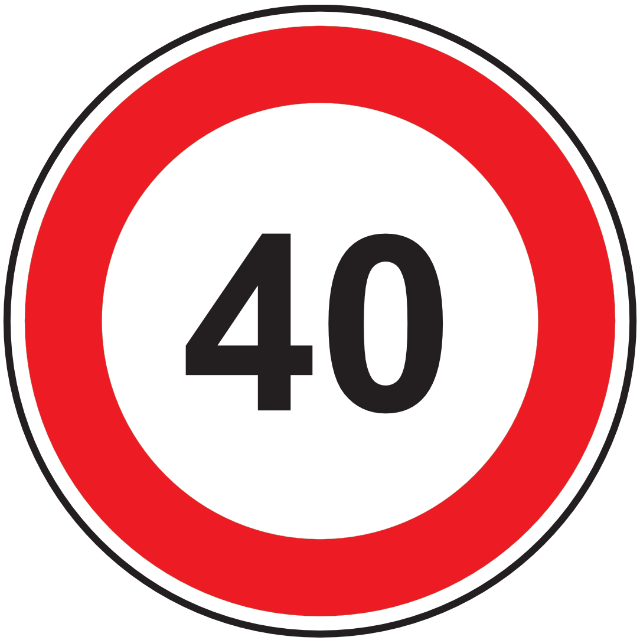 |
Urban roads |
Motorcycles
Motorcycles below 3.5 t, up to 125 cc
Standard speed limits (unless otherwise stated by traffic signs) [km/h]
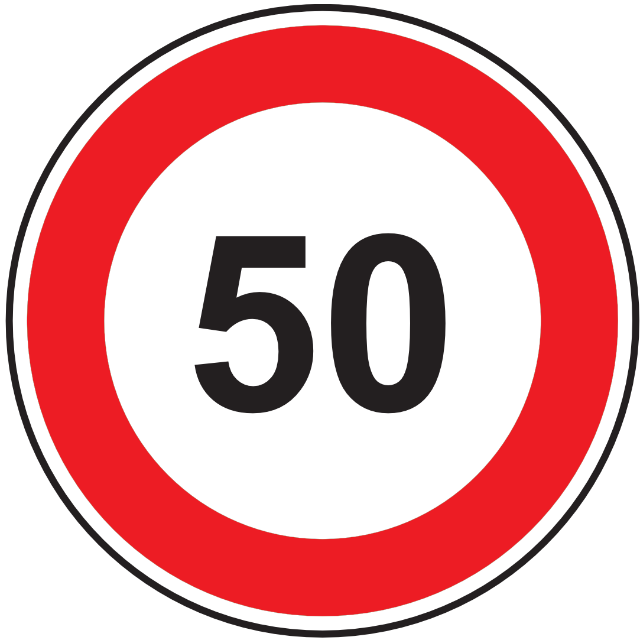 |
Urban roads |
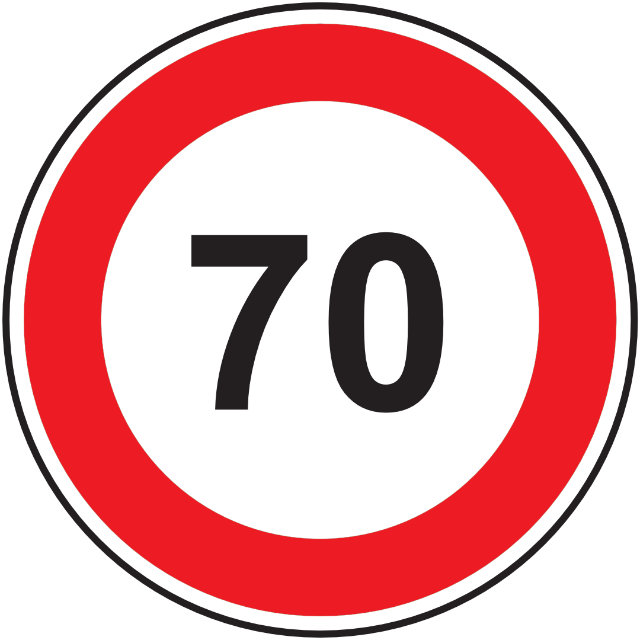 |
Non-urban roads |
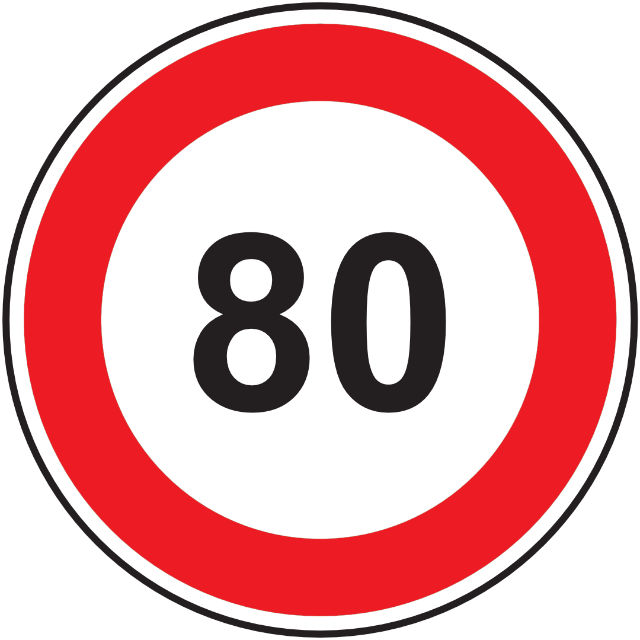 |
Motorways/expressways |
Motorcycles below 3.5 t, over 125 cc
Standard speed limits (unless otherwise stated by traffic signs) [km/h]
|
Urban roads |
 |
Non-urban roads |
 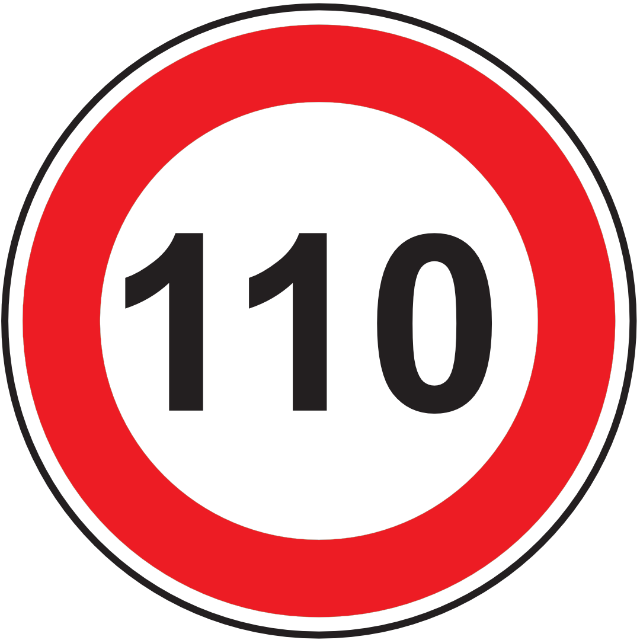 |
Motorways/expressways |
Motorcycles below 3.5 t, with sidecar
Standard speed limits (unless otherwise stated by traffic signs) [km/h]
|
Urban roads
Passenger cars (M1)
|
|
Urban roads |
|
Urban roads |
|
Non-urban roads |
|
Motorways/expressways |
Vans and pick-up vehicles (N1)
Vehicles below 3.5 t
Standard speed limits (unless otherwise stated by traffic signs) [km/h]
|
Urban roads |
|
Non-urban roads |
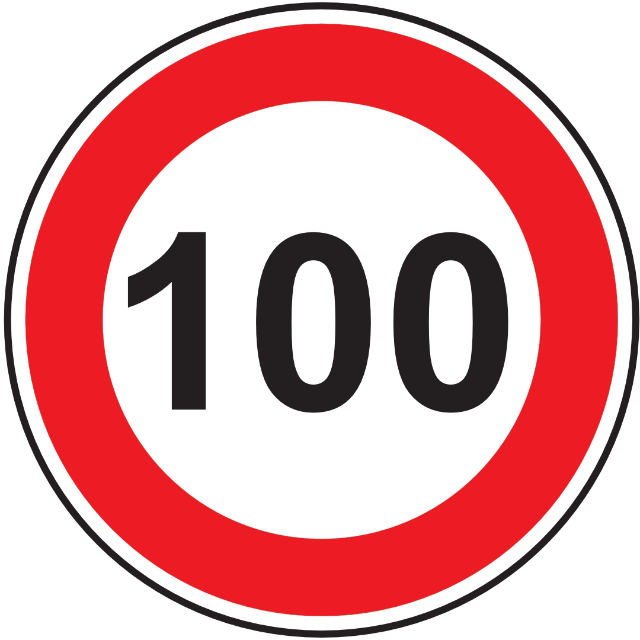 |
Motorways/expressways |
Vans and pick-up vehicles with a light trailer (N1+O1)
Vehicles below 3.5 t
Standard speed limits (unless otherwise stated by traffic signs) [km/h]
|
Urban roads |
|
Non-urban roads |
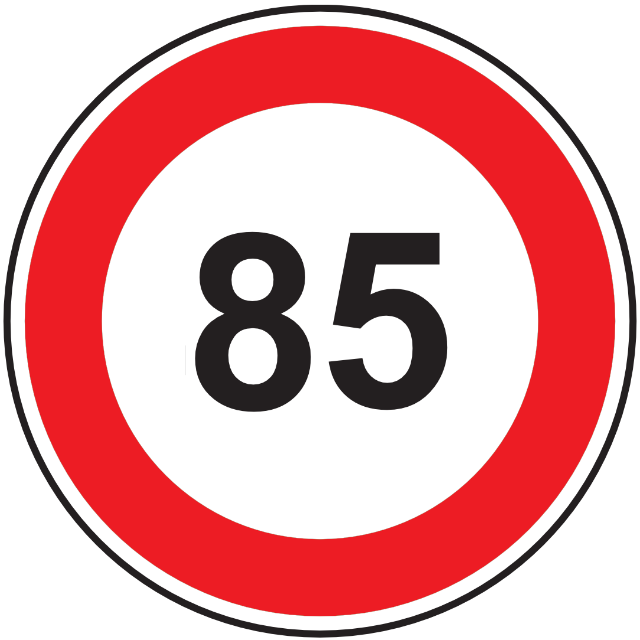 |
Motorways/expressways
|
Vans and pick-up vehicles with a trailer (N1+O2)
Vehicles below 3.5 t
Standard speed limits (unless otherwise stated by traffic signs) [km/h]
|
Urban roads |
|
Non-urban roads |
|
Motorways/expressways
|
Passenger cars & vans with a light trailer (M1+O1)
Vehicles below 3.5 t
Standard speed limits (unless otherwise stated by traffic signs) [km/h]
| Urban roads |
| Non-urban roads |
| Motorways/expressways |
Passenger cars & vans with a trailer (M1+O2)
Vehicles below 3.5 t
Standard speed limits (unless otherwise stated by traffic signs) [km/h]
| Urban roads |
| Non-urban roads |
| Motorways/expressways |
Agricultural/construction machinery
Standard speed limits (unless otherwise stated by traffic signs) [km/h]
| All roads |
 | All roads for vehicles without pneumatic tires |
Lorries carrying persons
Vehicles over 3.5 t
Standard speed limits (unless otherwise stated by traffic signs) [km/h]
| Urban roads |
| Non-urban roads |
Lorries (N2/N3)
Vehicles over 3.5 t
Standard speed limits (unless otherwise stated by traffic signs) [km/h]
| Urban roads |
| Non-urban roads |
| Motorways/expressways |
Lorries towing a (light) trailer (N2/N3 + O2/O3/O4)
Vehicles over 3.5 t
Standard speed limits (unless otherwise stated by traffic signs) [km/h]
| Urban roads |
| Non-urban roads |
| Motorways/expressways |
Truck combinations/tractor unit with semi-trailer
Standard speed limits (unless otherwise stated by traffic signs) [km/h]
| Urban roads |
| Urban roads |
| Non-urban roads |
| Motorways/expressways |
Buses (M2/M3)
Standard speed limits (unless otherwise stated by traffic signs) [km/h]
| Urban roads |
| Non-urban roads |
| Urban roads |
| Non-urban roads |
| Motorways/expressways |
Buses with a light trailer (M2/M3+O1)
Standard speed limits (unless otherwise stated by traffic signs) [km/h]
| Urban roads |
| Non-urban roads |
| Motorways/expressways |
Articulated buses (M2/M3 - CC)
Standard speed limits (unless otherwise stated by traffic signs) [km/h]
| Urban roads |
| Non-urban roads |
| Motorways/expressways |
Double-decker buses (M2/M3 - CB)
Standard speed limits (unless otherwise stated by traffic signs) [km/h]
| Urban roads |
| Non-urban roads |
| Motorways/expressways |
School buses (M2/M3 - student transport)
Standard speed limits (unless otherwise stated by traffic signs) [km/h]
| Urban roads |
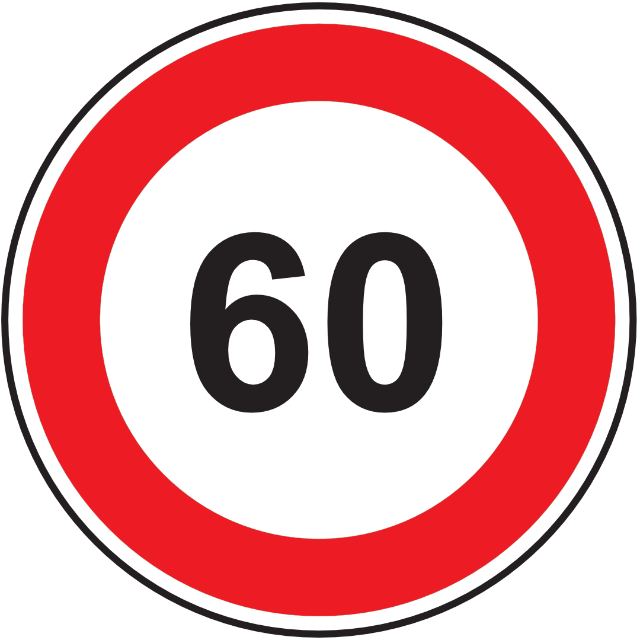 | Non-urban roads |
| Motorways/expressways |
Check the rules in other countries
Choose country
Disclaimer
This content on road safety and traffic rules is provided by the national authorities according to Article 8(1) of Directive (EU) 2015/413/EU. The European Commission does not assume liability for this content or its accuracy. For the most accurate and up-to-date information check national websites, where you can also find information on other national rules covering time-based charges (vignettes), emission stickers and road tolls.